Learn All About Filters – Development Group Monday

Peter Ellis will cover the topic of filters at the next Development Group meeting, on Monday 2 September at OBC.  He kindly provided the following background material:

FILTERS

The word “filter” covers a vast range of topics in photography.  Our September meeting will consider some of the more interesting and widely used filters.  It will start with an illustrated talk and demonstrations that will try to answer some of the questions regarding the types of filters and their uses.  The talk will be followed by a discussion session.

Filters come in all sorts of flavours, but fall into two general categories.  The first and oldest is the “real” category.  These are the filters that mostly originated in the days of film cameras that can be held in the hand and attached to your camera or enlarger.  Your digital camera will come with at least one real filter embedded inside it.  The other category is the digital filter that resides in your computer.  Hundreds of these exist in very many digital image processing packages.  This presentation will make use of the filters in Adobe Photoshop, but most of them are also available in other software products.

Some of the questions about “real” filters that will be addressed are:

  • Are filters developed for black and white film photography still useful in the digital age?
  • Why does a digital camera have an infra-red blocking filter inside it, and can this type of camera be used for taking infra-red pictures?
  • What is the difference between near infra-red and far infra-red photography?
  • How does a polarizing filter work and why do we need a circular polarizer for some types of camera?
  • What can a polarizing filter be used for?
  • What other types of “real” filter are there, and what can they be used for?

Questions about “digital” filters include:

  • What is the basic difference between a film camera image and a digital camera image?
  • What are the problems when using sharpening filters to retrieve the detail in blurred images?
  • How can digital filters be used in conjunction with layer blending modes such as those found in Photoshop?
  • Which of the lesser known and lesser used filters are really useful?
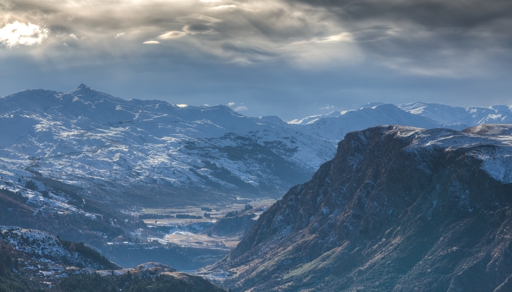
This picture of the Waikanae river was taken with a digital camera in which the red channel has been replaced with an infra-red channel by switching out the internal infra-red blocking filter.  All visible light has been stopped with an external filter over the lens. The infra-red channel is then combined with the red and green visible channels (converting red to green and green to blue) to give this “false colour” picture.
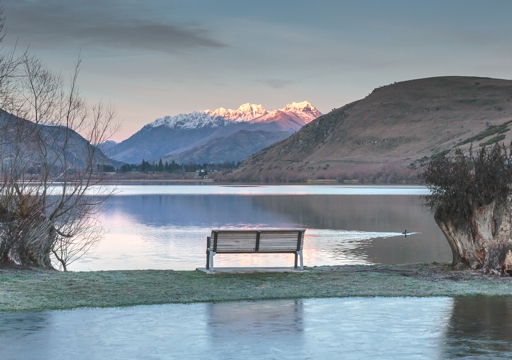
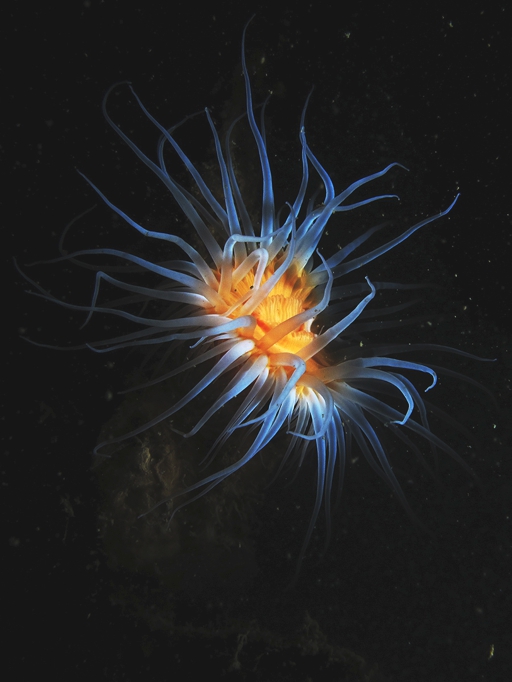
This picture of the Waikanae river was taken with a digital camera in which the red channel has been replaced with an infra-red channel by switching out the internal infra-red blocking filter. All visible light has been stopped with an external filter over the lens. The infra-red channel is then combined with the red and green visible channels (converting red to green and green to blue) to give this “false colour” picture.
2013 Winter Salon Judging

Our judge for the KCPS 2013 Winter Salon was Glen Howey – splendid as always in his trademark orange tee shirt. Glen did another great job on judging last Monday. He also  showed an AV of a recent photo tour to Cambodia. He’s running another one – 25 days for a very reasonable cost – starting just after Christmas. Email him at glen@glenhowey.co.nz if you are interested.

All twenty Highly Commended and Honours images can be seen in the 2013 Winter Salon Gallery which is now online.

Congratulations to those who did well in this Salon – particularly those in the Novice section who came away with a slew of Honours and HCs, including five of the six images awarded Honours, as shown below.

Report on Smartphone Photography Talk

Photo Courtesy of Brian Gray (taken on his smartphone, of course)

Photo Courtesy of Brian Gray (taken on his smartphone, of course)

Judging from the very kind feedback that I’ve received, my talk on Monday night went well. 🙂

I covered the evolution of cameras on phones since 2000 (based on this website plus the history of iPhones), some of their unique aspects as compared with “regular” cameras, some examples of good quality imagery, and then I did a live demonstration of a number of applications on my iPhone 4S.

Samsung Camera

Samsung SCH-V770 from 2005

Sony QX10 attached to a Sony smartphone (leaked, rumour)

Sony QX10 attached to a Sony smartphone (leaked, rumour in 2013)

One of the early phones that we all found amusing was this Samsung SCH-V770…. a 7MP camera phone with 3x optical zoom and autofocus. This has interchangeable lenses, but I’d not sure I’d want to put it up to my ear in case of causing damage!

Then, just a day after the talk, rumours started flying of a new Sony attachable “camera lens” (that would connect via Bluetooth) and use an iPhone or other phone as its display and control.

Watch this space – innovation continues!

For those technically inclined, the live demonstration of software on my iPhone 4S was done by creating a Wifi network from my MacBook Pro, connecting to it from the iPhone, then running an app on the MacBook Pro called Reflector. I used Airplay from the iPhone to mirror its live screen display onto the MacBook Pro, and project it up onto the screen.  Worked a treat.


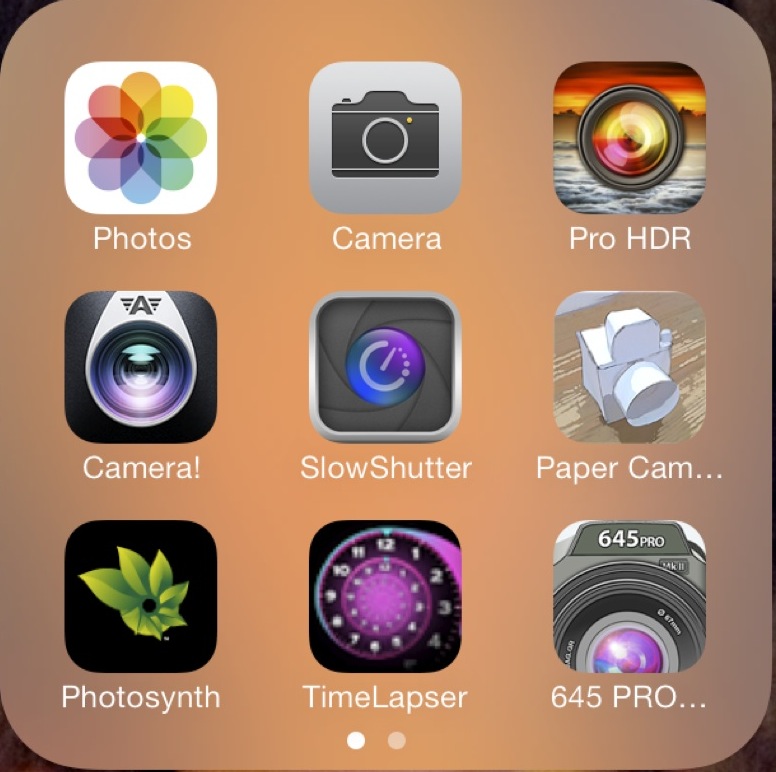
The Apps Demonstrated Live on my iPhone 4S

The Apps Demonstrated Live on my iPhone 4S

Panorama of the Audience, Captured Live

Panorama of the Audience, captured live while they watched it happening on the screen

Must See Exhibitions

There’s a number of nearby exhibitions on now that should be of interest.

JOSEPH MICHAEL – DARK CLOUD: WHITE LIGHT

This is an exhibition of timelapse photography at Pataka Museum in Porirua, on until 13 October.  Free. Highly recommended – I saw it on Tuesday.

There’s around a dozen separate sequences shown on large screens, with music individually composed, taken in stunning locations around NZ with a rolling 24 hours of changes of weather and sky and sun and shadows.  My favourite was the Lake Marion one, showing low cloud and mist sloshing up and around and side to side in a deep valley.  Two of the sequences are in full 3D with glasses provided.  And don’t miss the 10 minute “Behind the Scenes” video where Joseph Michael goes into detail about how he created these works of art.

If you want more background and motivation to go, check out the story online from Campbell Live.

World Press Photo 2013

There’s not long now to catch the annual World Press Photo Exhibition at 42 Willis Street in Wellington – until 25 August. $5. The imagery is always amazing, although (for me) can also be a bit gruesome.

Home_01_Paul-Hansen

(C) Paul Hansen, Sweden, Dagens Nyheter.

Gregory Crewdson – In a Lonely Place

This is on at the City Gallery Wellington until 8 September. Crewdson creates elaborate scenarios either on location or sound stages, using sets, actors, and full production crews, all in search of a perfect ‘moment of grace’.  Ian Linning and Carol Molineux have both seen and recommend it.

Crewdson2

Gregory Crewdson, ‘Untitled (Sunday Roast)’, 2005, pigmented inkjet print. © Gregory Crewdson, courtesy Gagosian Gallery, New York.

Smartphone Photography – Monday 12 August

iPhone Photo of Cameras

I’ll be talking about Smartphone Photography, or perhaps Phoneography, at the next KCPS meeting on Monday at 7:30 pm. Do we really need those bigger cameras, or point and shoots? Be prepared to debate the issue.

Don’t forget that entries for the Winter Salon are also due.  You can enter online via https://kcps.org.nz/salon-entry-form/ and then bring any prints along on Monday evening.

Wellington Interclub Print Battle 2013 at KCPS

KCPS had the pleasure of hosting the annual Wellington Interclub Print Battle at KCPS last evening. The Otaihanga Boating Club was full to the brim to see Tony Bridge do an excellent job of judging one print from each of the six clubs, for each of ten categories.

A full house watches Tony Bridge judging prints in the "Movement" category.

A full house watches Tony Bridge judging prints in the “Movement” category

Congratulations to Karori Camera Club, who were the clear winners on the night, against tough competition. The final score sheet is shown below. A score of 1 for an image means it was the top rated, 2 for the second rated, etc. So the lowest total wins – Karori Camera Club getting 23. We were very happy to come second, thanks to a sprint finish with the top rating for the KCPS “Terraced” image. WPS seemed to get stuck on 4!

Wellington Interclub Print Battle Results 2013

Wellington Interclub Print Battle Results 2013

Tony also chose the best abstract print of the night, in honour of the late Stella Daniell. The print was by Ian Walker from the Hutt Camera Club. Trophy and Award presentations are shown below.

Many thanks to Tony Bridge for doing a terrific job under demanding (by some) circumstances. We had a great turnout, and it was a fun night for all, capped off by socialising over a yummy supper provided by our members.

Tony Bridge presents the Wellington Interclub Print Battle Trophy to Mark Berger, President of the Karori Camera Club.

Tony Bridge presenting the Wellington Interclub Print Battle Trophy to Mark Berger, President of the Karori Camera Club

Phit Dyer, President of the Wellington Photography Society, presenting the Stella Daniel print to Paul Whitham, President of the Hutt Camera Club (on behalf of Ian Watkins)

Phil Dyer, President of the Wellington Photography Society, presenting the Stella Daniell Award print to Paul Whitham, President of the Hutt Camera Club (who accepted it on behalf of Ian Walker, for his print in the “Skin” Category)

News from the Darkroom – July 2013

News from the Darkroom

Here’s the latest newsletter by Michael Martin, from the Monochrome Film Users Group.

This group caters for those interested in capturing images on black and white film of different formats and darkroom techniques for processing and printing.

Meetings are normally held on the third Thursday of the month.

The next meeting is on Thursday 15th August at the home of Bill Harris, at 12 Kohekohe Road, Waikanae at 1930.

Meeting Reviews

July’s meeting was the sixth for this year and topics covered included; developing FP4 plus film in Adonal; the pros and cons of using a quick developer; further thoughts on print development; accurate measuring in the darkroom; and critiquing prints and negatives.

Group Presentation

Tuesday July 16th saw five of our group give a presentation to the Kapiti Camera Club. This involved showing the various film format cameras we use with a commentary and show of some of our work. Feedback from Kapiti Camera Club has been very positive with members been impressed with the different film formats and cameras presented and the quality of the images shown. Our group enjoyed the hospitality of KCC and the opportunity to share what we do.

Thank you to all involved.

Group Outing

This coming weekend will see seven of us on a photographic trip to Castlepoint from Friday to Sunday. The weather forecast promises to be challenging so watch this space in our next newsletter.

New Products

SPUR have announced another new developer, Acurol-N, which they believe when used with Rollei Ortho 25 film (which is a rebadged MACO made film), will redefine sharpness. Read about it at The Online Darkroom at http://www.theonlinedarkroom.com/2013/06/spur-more-exciting-developments.html

It is great to see a company like SPUR pushing the boundaries with new products.

Not a new product but an opinion on trying out different films while still available. The article titled “12 Films Worth Shooting With Before They’re Gone” can be found on   http://www.popphoto.com/gear/2013/07/12-films-worth-shooting-theyre-gone written by Stan Horaczek.

While we are onto web sites one our members, Des Johnston has a blog with some of his photos and other items. Check out http://desmondjohnston.wordpress.com

This Month’s Images

This month’s images were captured on my Nikon 35Ti on 35mm Kodak 400 TX film developed in Agfa Rodinal Special and show members of our intrepid group showing off at the Kapiti Camera Club.

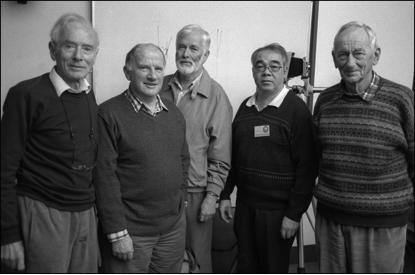
The Presenters. (L to R – Fred Wotton, Michael Martin, Brian Smith, Arthur Wong, Herman Visser).

The Presenters
(L to R – Fred Wotton, Michael Martin, Brian Smith, Arthur Wong, Herman Visser)

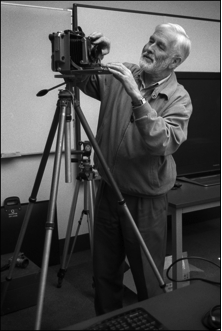
Brian with Linhof Technica 4x5

Brian with Linhof Technica 4×5

Fred with Leica 35mm

Fred with Leica 35mm

Herman with Pentax 645

Herman with Pentax 645

Arthur with 8x10

Arthur with 8×10

.

Food for ThoughT

The production of a perfect picture by means of photography is an art; the production of a technically perfect negative is a science“.
Ferdinand Hurter, [1844 – 1898] Photographic scientist and researcher.

Look, See, Compose, Capture and most of all Enjoy.

Michael Martin.

Frank Hinchcliff Result

hinchcliffCongratulations to Gavin Klee for his well-deserved win of the Frank Hinchliff Trophy, for his image “Ratana Church”. Here he is receiving the trophy from judge John Boyd.
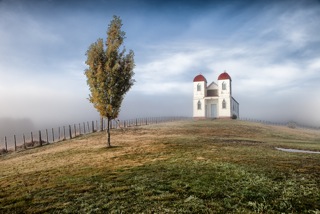
Gavin also took third place in the competition!

The top three images are shown below.

Thanks to all who entered, and to John for his very insightful comments on the prints, as well as for showing us his own work, and some fascinating historical images from the PSNZ Permanent Collection.

Ratana Church

First – “Ratana Church” by Gavin Klee

Second - "Rice Terrace Country" by Neil Gordon

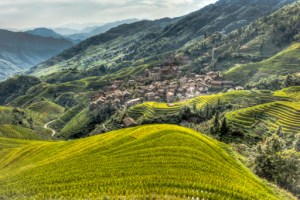
Second – “Rice Terrace Country” by Neil Gordon

Third – “Bald Eagle” by Gavin Klee

Frank Hinchcliff Judging Monday Evening

Frank Hinchcliff

Frank Hinchcliff

Come along for our meeting tomorrow evening at 7:30 pm to hear from the esteemed John Boyd Hon FPSNZ Hon PSNZ APSNZ, who will once again be judging the print entries for our annual Frank Hinchcliff Award.

You can read all about Frank Hinchliff here: